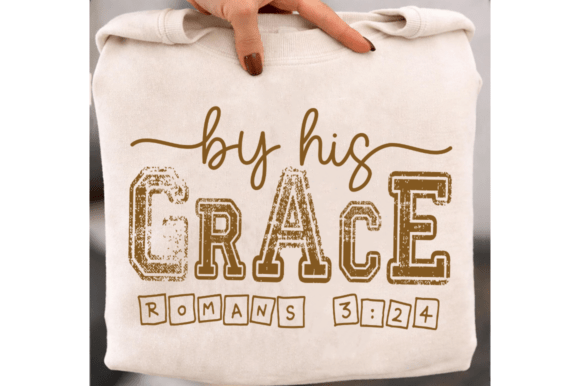
Bible Verse SVG: Christian Faith SVG for T-Shirt Designs
First Impression: Warm, Reverent, and Thoughtfully Crafted
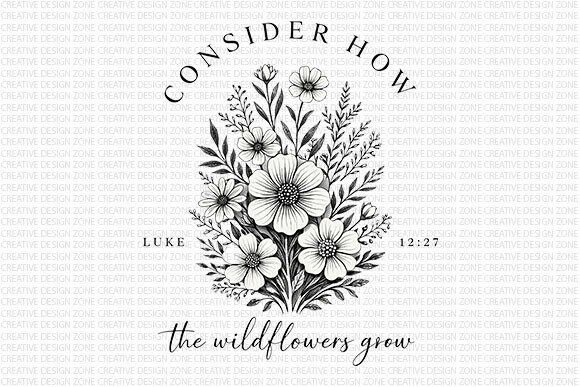
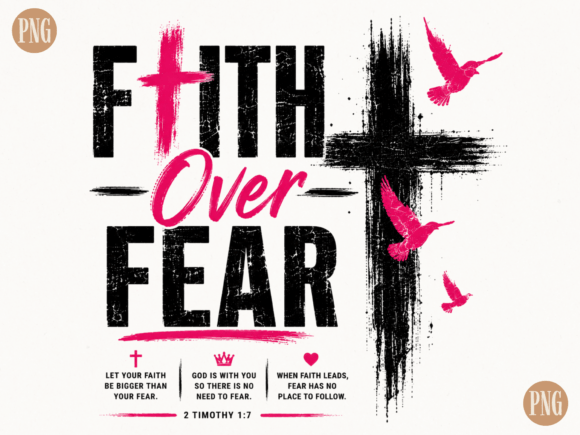
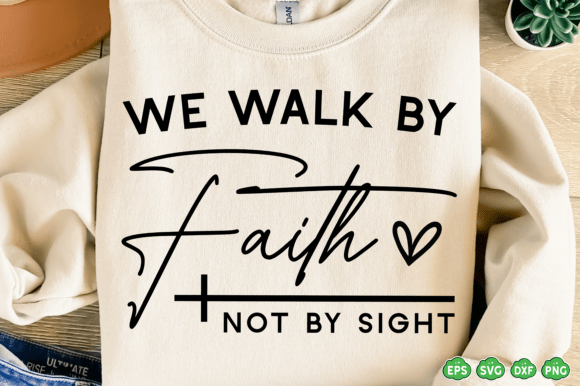
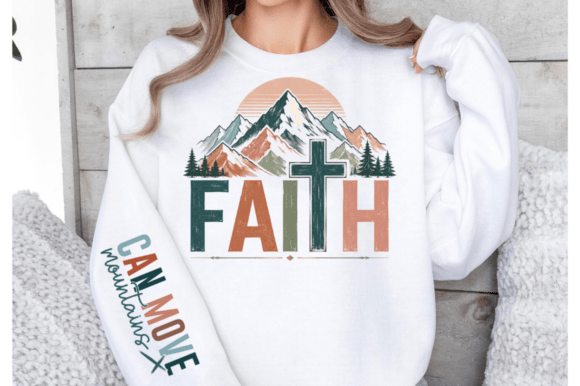
Opening this Bible Verse SVG, Christian Faith SVG file feels like unboxing a well-considered design asset—not generic clipart, but a carefully composed visual that balances spiritual sincerity with clean execution. It reads as warm and grounded, not overly ornate or theatrical. The linework is confident but not rigid; the typography (where present) leans toward classic serif or gentle script—never trendy, never dated. For a local business like “Grace & Grain Bakery” in Asheville—or “Haven Handmade Soaps” in Portland—this SVG immediately suggests authenticity, care, and quiet conviction. It’s neither ultra-minimalist nor heavily decorative, landing instead in that sweet spot of organic modern: approachable enough for a coffee shop apron, refined enough for a candle label, and emotionally resonant for a boutique gift card.
Where This Graphic Design Asset Earns Its Keep
In real small business branding, Bible Verse SVG, Christian Faith SVG shines where meaning meets material: on product labels for lavender-scented bath salts, as a subtle foil-stamped accent on kraft soap packaging, or as the centerpiece of a seasonal “Hope Harvest” holiday collection banner. It works exceptionally well in contexts where emotional resonance supports trust—like thank-you cards tucked into handmade skincare orders, or as a soft watermark behind a café’s weekly menu board. I recently used it to anchor the brand identity for “Lark & Light,” a children’s book-themed gift shop in Nashville: scaled down on hang tags, enlarged as a hero graphic for Instagram Stories, and adapted into a simple monogram for their reusable tote bags. The versatility isn’t accidental—it’s built into the vector integrity and thoughtful negative space.
Real-World Applications That Strengthen Local Business Presence
- Product labels: Adds warmth and intentionality to jars of honey, tea blends, or artisanal jam—especially when paired with earthy brand colors and hand-drawn icons.
- Packaging accents: Works beautifully as a debossed detail on matte-finish boxes or as a foil-stamped element on greeting cards and gift wrap.
- Social media graphics: Scales cleanly for Instagram carousels, Facebook event banners, and Pinterest-ready printable devotionals—no pixelation, no quality loss.
- Printable design elements: Ideal for editable Canva templates used by church planters, homeschool co-ops, or faith-based small business owners building their own marketing visuals.
- Seasonal campaign visuals: Easily recolored and layered into Easter, Christmas, or “New Beginnings” launch assets without losing clarity or reverence.
What This SVG Does for Your Brand Identity—Beyond Decoration
This isn’t just clipart—it’s a strategic tool for small business branding. When applied thoughtfully, Bible Verse SVG, Christian Faith SVG strengthens first impression by signaling shared values before a single word is read. It improves product recognition on crowded shelves (think farmer’s market booths or boutique retail racks) by adding consistent, meaningful visual rhythm. It supports clearer visual hierarchy—guiding the eye from logo to verse to product name—without shouting. Most importantly, it builds customer trust: people sense intentionality in the line weight, spacing, and balance—and that translates directly to perceived care in the product itself. For handmade businesses and local brands, that emotional shorthand is invaluable.
Where to Use It With Intention—and Where to Pause
This graphic design asset excels in decorative, supportive roles: as a border element on thank-you cards, a subtle watermark behind website headers, or a focal point on a limited-edition candle sleeve. It’s ideal for hero graphics, social media campaign visuals, and boutique signage where warmth and sincerity are core brand pillars.
Use it carefully—or avoid altogether—in contexts demanding stark neutrality or strict regulatory clarity: formal corporate letterheads, ingredient-heavy food labels, legal disclaimers, or minimalist luxury packaging where every millimeter must serve function over feeling. It can compete visually if dropped onto busy backgrounds or crammed beside dense text blocks. And while it adapts well to many fonts, it loses impact next to ultra-thin sans serifs or chaotic display type—always test beside your actual brand type system.
Practical Brand Designer Notes Before You Implement
- Test it on real packaging mockups—not just digital previews—to assess scale, contrast, and tactile presence.
- Check black-and-white output: does the verse remain legible when printed in monotone on kraft paper or recycled labels?
- Preview at 10mm height on a product label—many SVGs look elegant large but vanish when miniaturized.
- Test it against your full brand palette: does it harmonize with your primary and secondary colors—or clash subtly with undertones?
- Compare side-by-side with top three local competitors’ packaging: does it differentiate, or unintentionally echo?
- Verify print quality at 300 DPI—especially if using for physical product mockups or direct-to-garment printing.
- Inspect PNG transparency edges: clean cutouts matter for overlays on photos or textured backgrounds.
- Confirm SVG editability: can you isolate and recolor individual elements (e.g., verse vs. decorative flourish)?
- Test font pairings across serif, sans serif, script, handwritten, and display families—some combinations mute its voice.
- Always confirm commercial license terms—especially for client work, physical product sales, or resale packaging design.
A Design Asset That Serves Purpose, Not Just Aesthetic
In an era where local business owners juggle branding, fulfillment, and community connection, Bible Verse SVG, Christian Faith SVG stands out as more than a digital product—it’s a quiet amplifier of mission. Whether you’re designing for a floral studio crafting sympathy arrangements, a food business labeling gluten-free granola, or a creative entrepreneur launching a faith-forward stationery line, this SVG supports authenticity without sacrificing polish. Used intentionally, it becomes part of your brand’s visual vocabulary—not decoration, but declaration. And in small business branding, that distinction makes all the difference.