Funny Jesus Lemonade PNG: Christian Humor T-Shirt Designs
First Impression: Playful, Polarizing, and Purpose-Built
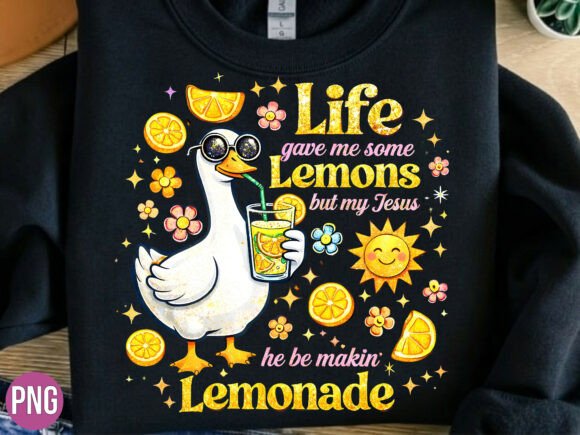
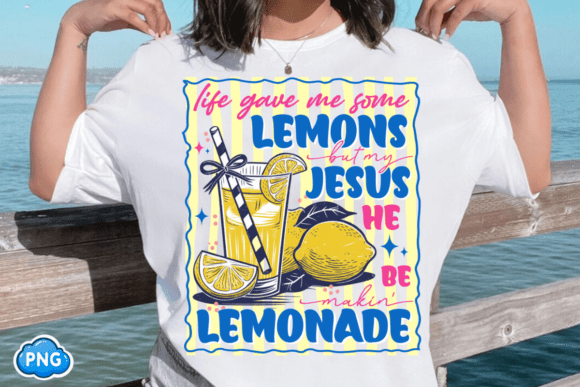
When I opened Funny Jesus Lemonade PNG,Christian Humor, my first thought wasn’t “Is this theological?”—it was “Does this land with clarity, charm, and commercial intent?” The answer is yes—but with nuance. This graphic design asset delivers lighthearted Christian humor through bold visual contrast: a stylized, approachable Jesus figure holding a lemonade pitcher, rendered in crisp PNG format with transparent background. It’s not reverent decor—it’s conversational branding. It creates an immediate mood of warmth, wit, and cultural fluency, ideal for faith-based lifestyle brands, small business owners launching summer campaigns, or content creators building relatable editorial graphics. It leans into casual branding—not premium minimalism—but that’s its strength. It fits handmade product launches, church picnic promotions, blog headers for Christian bloggers, and social media graphics targeting Gen Z and millennial believers who appreciate authenticity over austerity.
Where It Shines in Real Marketing Workflows
I recently used Funny Jesus Lemonade PNG,Christian Humor to refresh a client’s seasonal email campaign for a faith-based online coaching business. We embedded it into a Canva template as a hero graphic for their “Summer Refresh” lead magnet—paired with a clean sans serif font and soft coral accent tones. Instantly, the visual hierarchy improved: attention locked onto the illustration, then flowed to the headline and CTA. In practice, this PNG design excels in:
- Social media graphics—especially Instagram posts and Pinterest pins where visual surprise drives engagement
- Digital ads with tight copy (e.g., Facebook carousel banners promoting a new Bible study journal)
- Blog graphics and website headers for faith-centered publishers and podcasters
- Printable designs like event flyers for church festivals or youth group lemonade stands
- Packaging accents for small-batch products (e.g., tea blends, greeting cards, or artisanal honey labels)
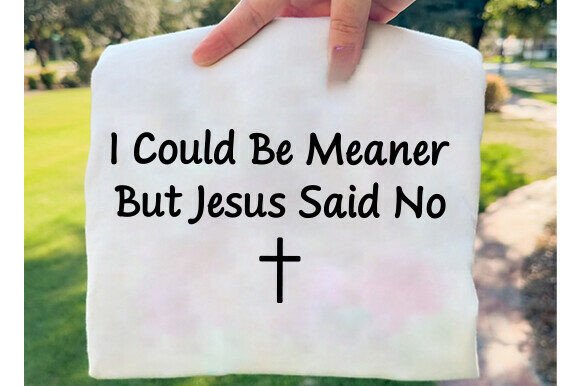
- Merchandise mockups—particularly T-Shirt Designs where humor aligns with audience identity
- Editorial design elements in digital newsletters or media kits seeking personality without clutter
How It Builds Brand Trust—Without Saying a Word
Visual consistency isn’t just about color palettes and fonts—it’s about emotional resonance. Funny Jesus Lemonade PNG,Christian Humor supports stronger audience trust by signaling shared values *and* shared sensibilities. For creative entrepreneurs launching faith-aligned digital products, it adds humanity to otherwise generic marketing visuals. When placed beside testimonials or scripture quotes, it softens formality while reinforcing approachability. It also boosts memorability: in a sea of stock vectors and overused cross motifs, this illustration stands out—not because it’s loud, but because it’s specific. That specificity builds recognition faster than generic clipart ever could.
Smart Placement: Where This Design Asset Adds Maximum Value
This isn’t a logo design or a packaging design centerpiece—but it *is* a powerful decorative brand element. Use it best in:
- Hero graphics for seasonal campaigns (“Lemonade & Lent,” “Easter Refresh,” “Back-to-School Faith Kits”)
- Branded templates for Canva users launching faith-based content bundles
- Social media cover photos—scaled and cropped to emphasize expression and gesture
- Packaging inserts or thank-you cards for Christian small business branding
- Content bundles: pair it with editable quote overlays and scripture-inspired color swatches
- Promotional banners for digital ads where tone matters more than detail
Cautions Every Brand Designer Should Note
Funny Jesus Lemonade PNG,Christian Humor doesn’t work everywhere—and that’s okay. Avoid using it in formal corporate branding, dense infographics, or text-heavy Facebook ads where clarity trumps charm. It loses impact on low-contrast backgrounds (e.g., light yellow on pale peach), and scales poorly below 200px—so skip mobile app icons or tiny sticker mockups unless you’re pairing it with ample negative space. Also, if your brand voice is deeply contemplative or liturgical, this illustration may feel tonally misaligned. It competes with serious messaging—not complements it.
Pro Designer Notes Before You Drop It Into Layout
Before finalizing any campaign, test Funny Jesus Lemonade PNG,Christian Humor rigorously:
- Color check: Overlay it on your brand palette—does it pop against primary and secondary hues? Does it hold up in grayscale?
- Font pairing: Try it with serif (e.g., Merriweather), sans serif (Inter, Montserrat), script (Dancing Script), and display fonts (Bebas Neue). It pairs strongest with friendly sans serifs and warm display styles.
- Mockup realism: Drop it into real-world mockups—T-shirt designs, Instagram story frames, email headers—to assess balance and breathing room.
- Mobile preview: Zoom out on your phone screen. Is the facial expression legible? Does the pitcher shape read clearly at ⅔ size?
- Licensing audit: Confirm commercial license coverage—especially for client work, paid ads, or digital product resale. This is a commercial design, not just clipart.
- Competitor contrast: Compare it side-by-side with top-performing Christian humor assets on creative marketplaces. Does it feel fresher, bolder, or more ownable?
Final Verdict: A Strategic Graphic Design Asset, Not Just Clipart
Funny Jesus Lemonade PNG,Christian Humor is more than a fun illustration—it’s a strategic tool for content marketers and brand builders who understand that faith-based audiences crave joy, relevance, and visual distinction. As a PNG design, it’s production-ready for web and print. As a digital product, it scales across platforms without losing charm. And as part of a broader design bundle, it adds personality to otherwise functional marketing visuals—without sacrificing professionalism. For bloggers, small business owners, online coaches, and creative entrepreneurs building modern design systems rooted in authenticity, this asset earns its place—not as filler, but as a focused, audience-aware, commercially viable piece of visual storytelling.